
Flowers That Mean Rebirth, Queerness, and Soft Power (Yes, Really)
Flowers have always carried meaning. Long before they were decorative, they were messages… quiet symbols of identity, transformation, devotion, and resistance. In mythology, folklore, and the Victorian language of flowers, certain blooms have come to represent rebirth, queerness, and soft power in ways that still resonate today.
For queer, femme, and spiritually curious folks, floral symbolism offers something deeply affirming: proof that nature itself thrives in cycles, multiplicity, and becoming.
Below are flowers that have long been associated with transformation, nonconformity, resilience, and gentle strength and why they make powerful tattoo imagery.
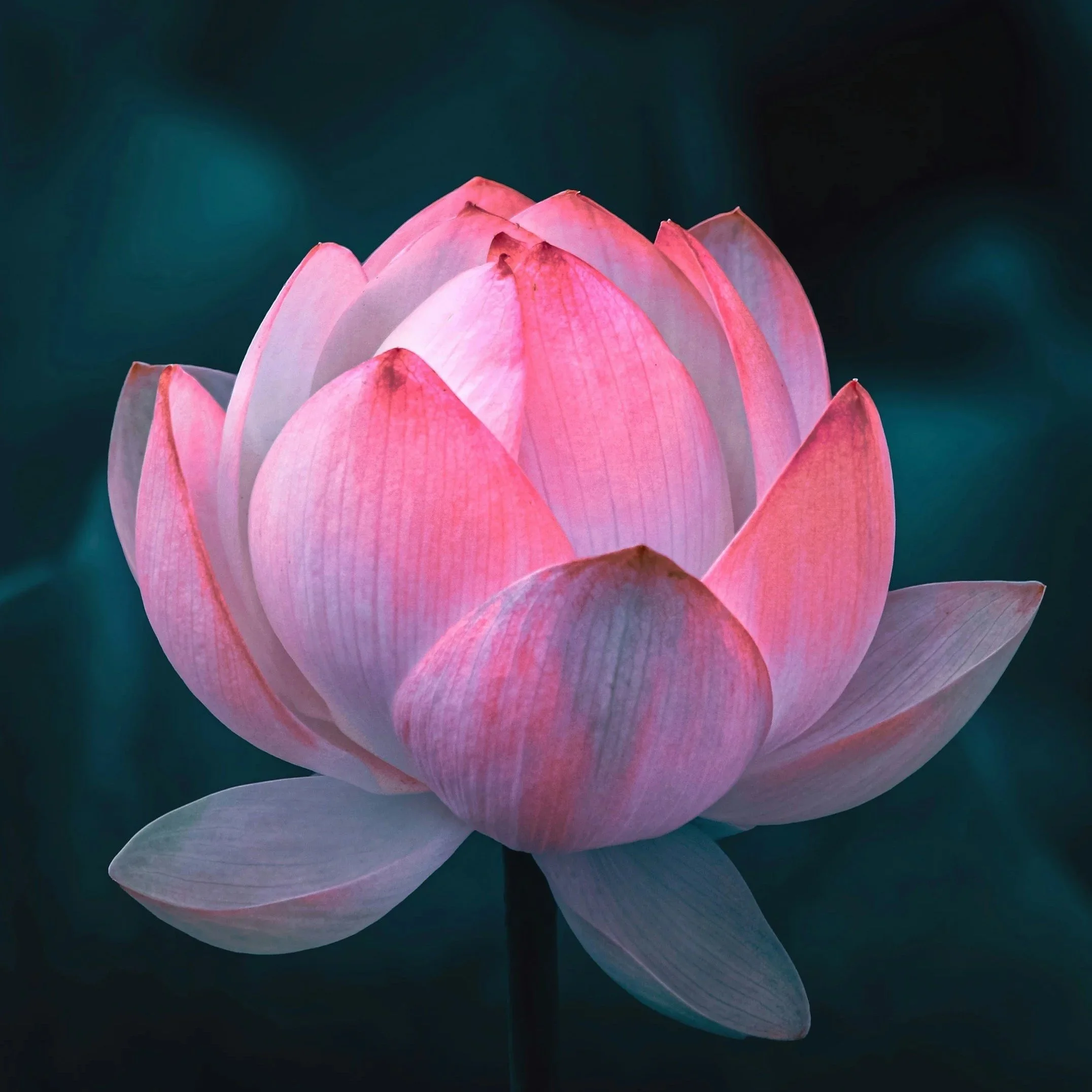
The Lotus: Rebirth Without Purity Tests
Symbolism: Rebirth, resilience, spiritual awakening
The lotus grows from mud and blooms above the surface, untouched by the conditions that shaped it. Across cultures, it symbolizes rebirth, survival, and spiritual growth.
For many queer and femme people, the lotus resonates as a reminder that beauty and wholeness are not erased by hardship. You don’t have to be “untainted” to be worthy. You simply have to keep growing.
As a tattoo, the lotus is often chosen to mark personal transformation, healing, or the decision to begin again on one’s own terms.
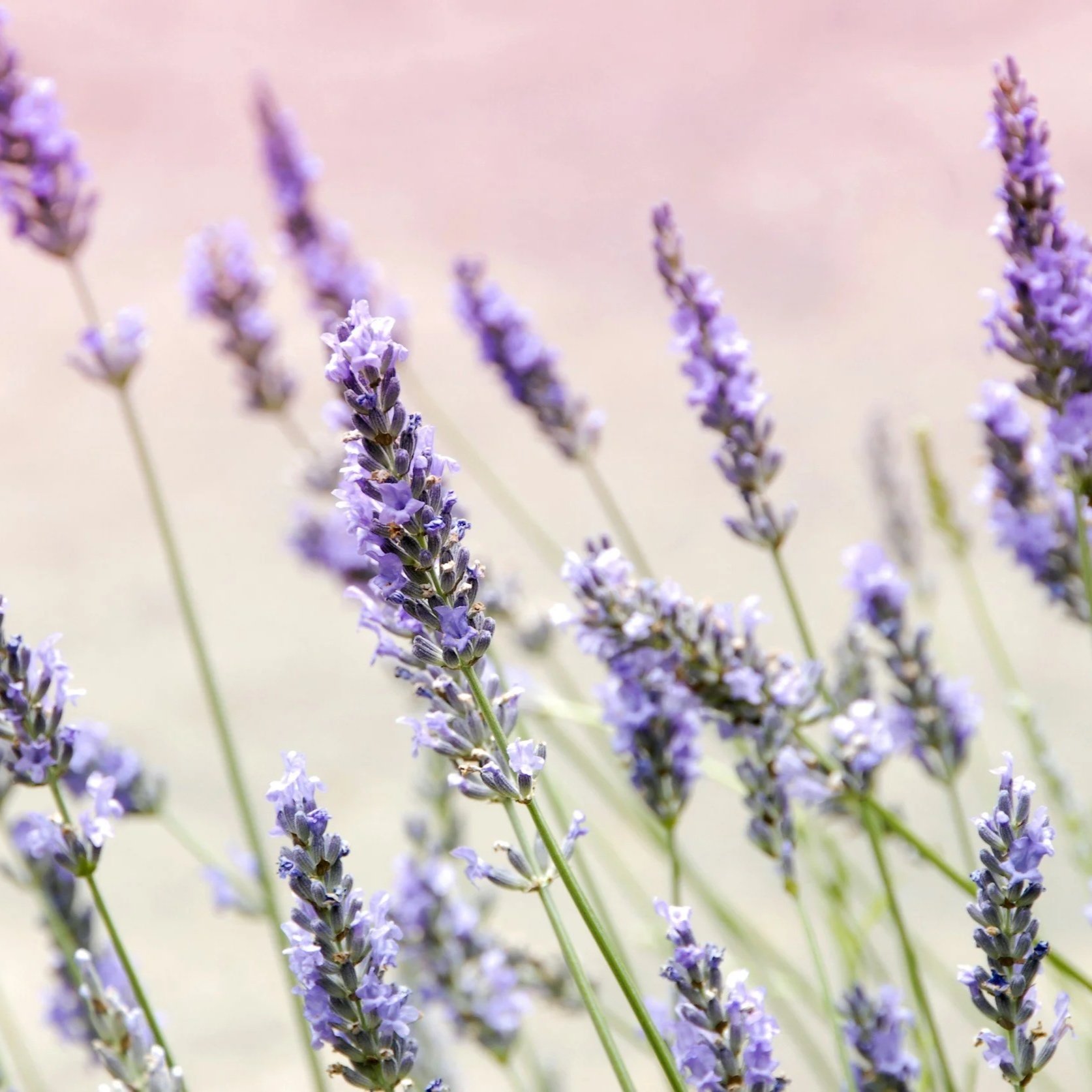
The Lavender: Queerness in Bloom
Symbolism: Devotion, calm, queerness
Lavender has long been associated with LGBTQ+ history. The phrase “lavender menace” was reclaimed by queer activists, and lavender became a symbol of resistance, visibility, and chosen community.
Beyond its modern political symbolism, lavender has historically represented devotion, grace, and quiet strength. It is a plant that thrives when allowed to grow freely — wild, fragrant, and unapologetic.
Lavender tattoos often speak to queer identity, softness as survival, and the power of living openly.
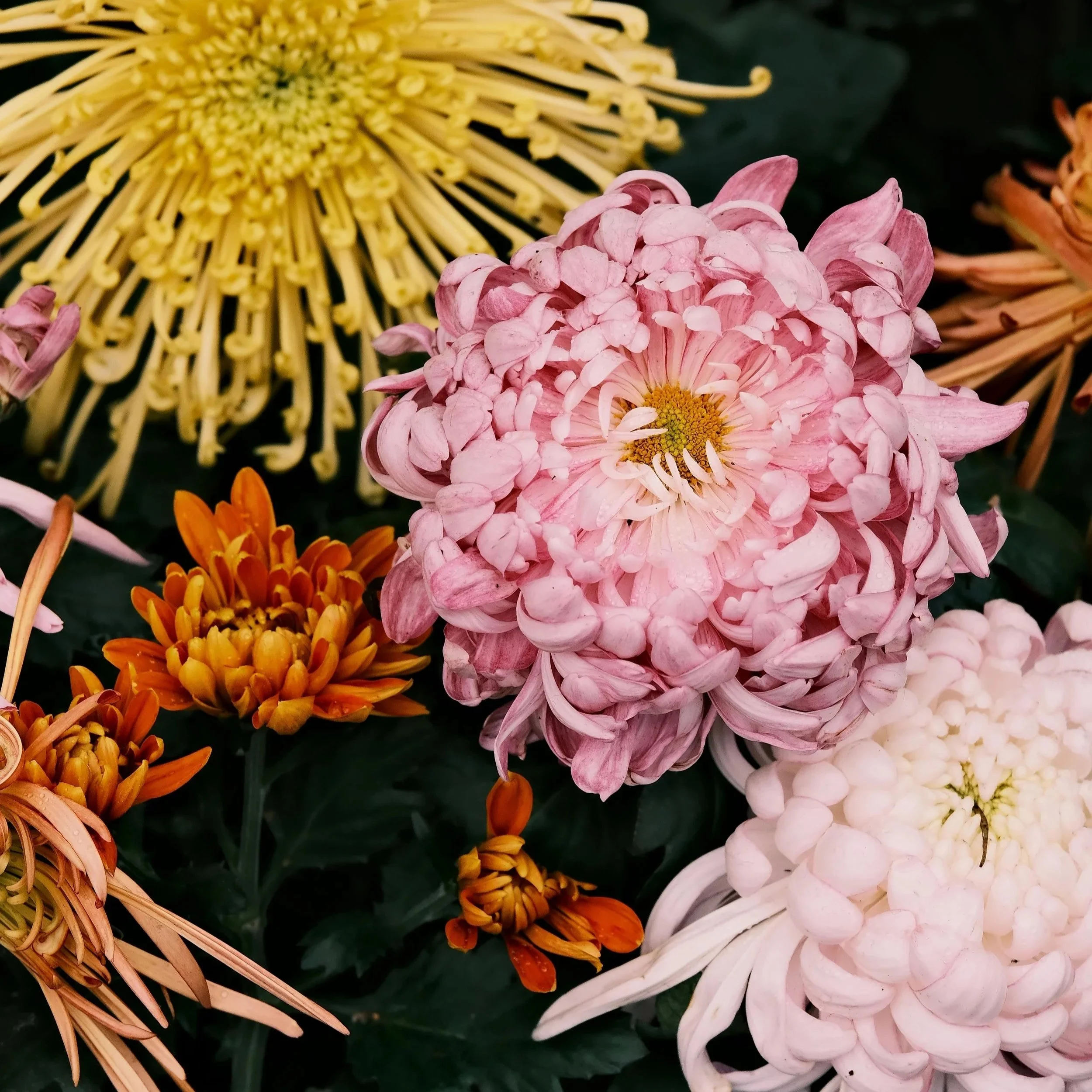
The Chrysanthemum: Gentle Defiance
Symbolism: Longevity, truth, endurance
In many cultures, chrysanthemums symbolize longevity and truth. They bloom late in the year, standing strong when other flowers fade.
This makes them a perfect symbol of soft power, the strength to endure without becoming hardened. Chrysanthemums remind us that survival doesn’t always look loud or sharp. Sometimes it looks like continuing to bloom quietly, anyway.
As tattoo imagery, they often represent inner resolve, emotional depth, and grace under pressure.
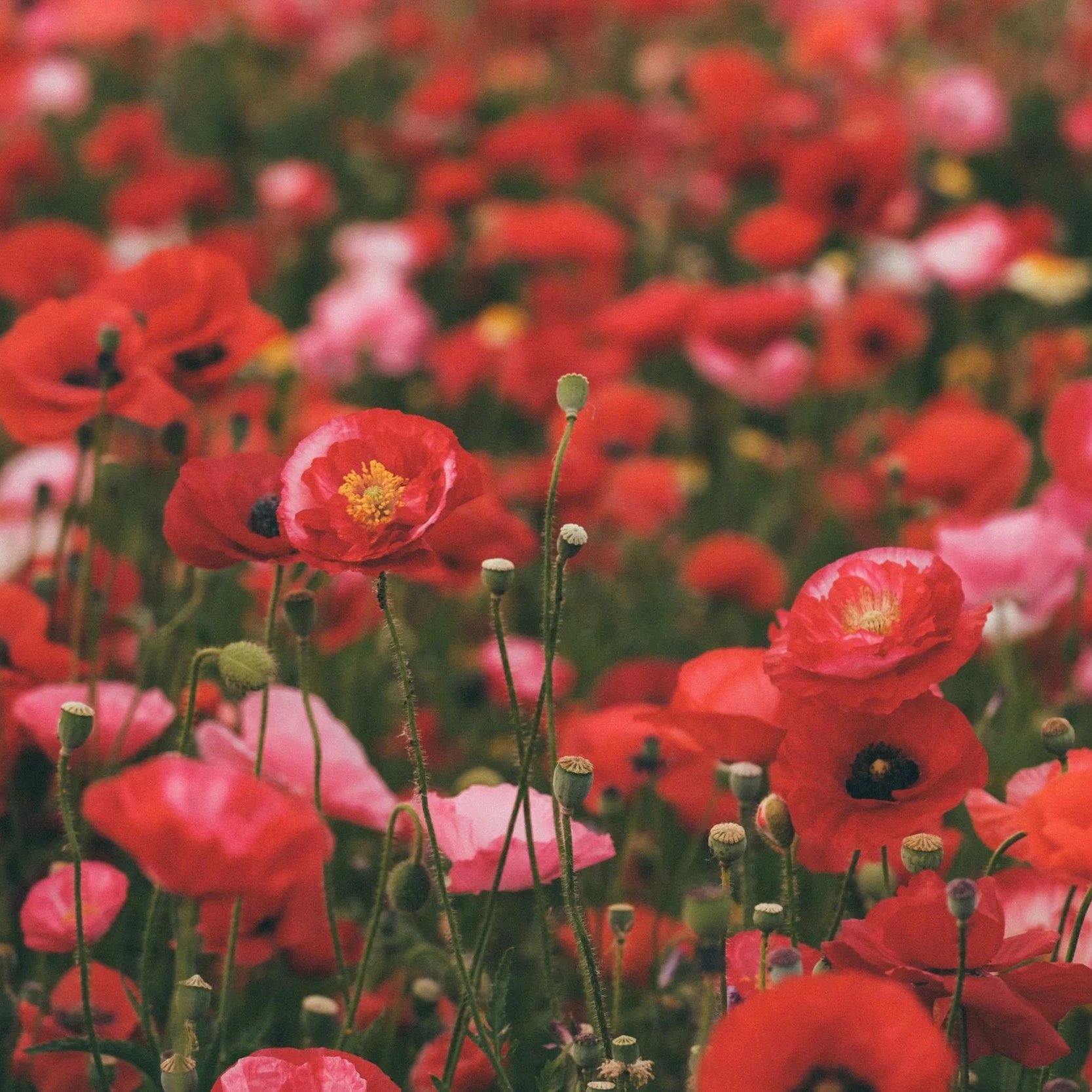
The Poppy: Rest, Resistance, and Recovery
Symbolism: Rest, remembrance, resilience
Poppies are associated with sleep, dreams, death, and remembrance but also with regeneration. They often grow in disturbed soil, reclaiming land after destruction.
For many, poppies symbolize the right to rest after struggle. They speak to recovery, grief, and honoring what has been survived without needing to justify it.
In tattoo form, poppies are chosen to acknowledge loss, healing, and the quiet bravery of continuing on.
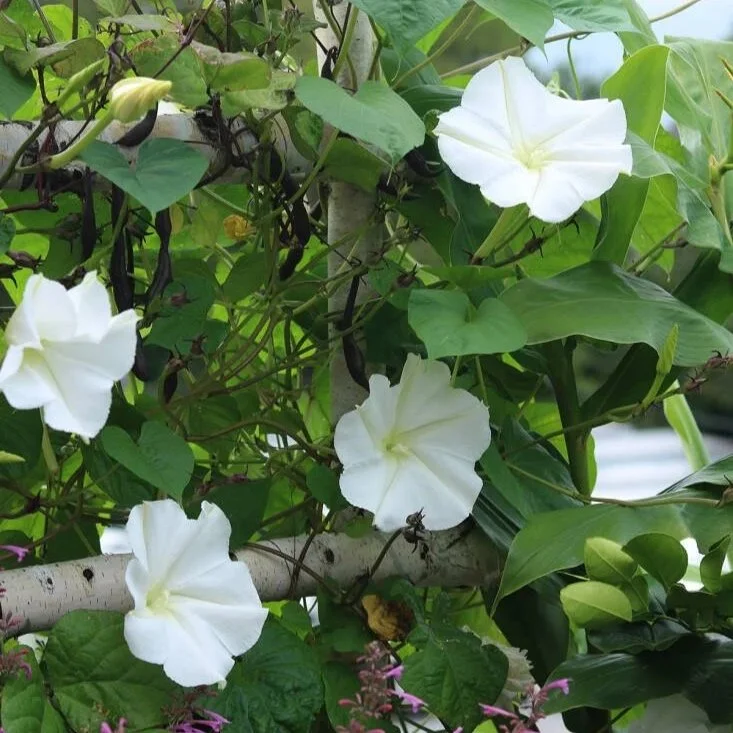
The Moonflower: Becoming in the Dark
Symbolism: Intuition, transformation, cyclical rebirth
Moonflowers bloom at night, guided not by the sun but by the moon. They are deeply associated with intuition, spiritual awakening, and transformation that happens unseen.
For queer and femme people especially, moonflowers represent becoming without permission — growing in the dark, on your own timeline.
Moonflower tattoos often symbolize personal rebirth, self-trust, and honoring cycles rather than linear growth.
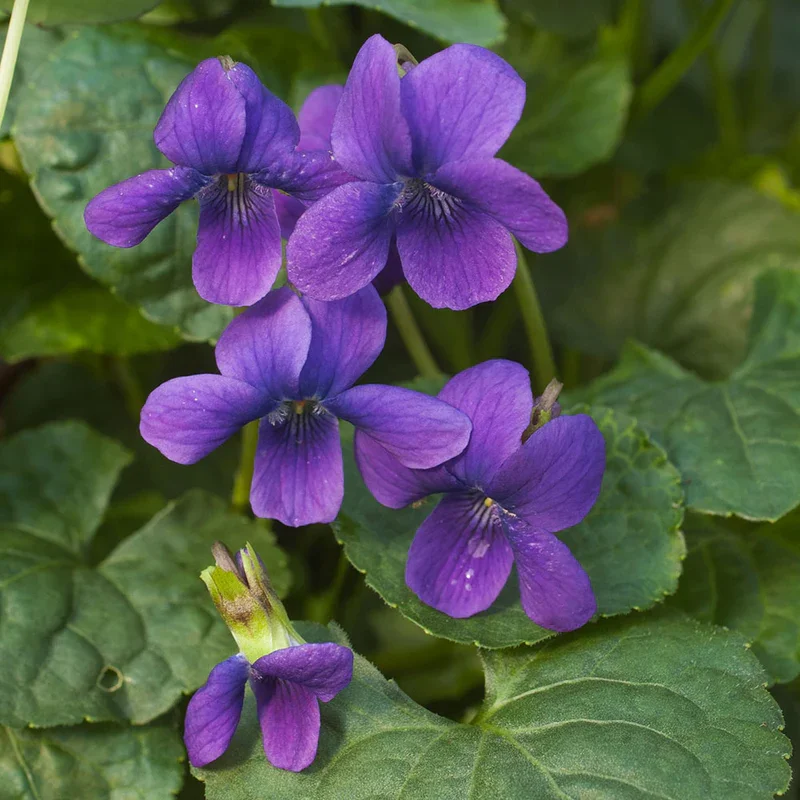
The Violet: Queer Devotion and Quiet Strength
Symbolism: Queer love, loyalty, humility, devotion
Violets have long been associated with queer identity, romantic devotion, and relationships that exist outside of public approval. In the Victorian language of flowers, violets symbolized faithfulness and deep emotional bonds — often exchanged as subtle signals of same-sex affection when such love could not be spoken openly.
Because violets grow low to the ground and often hide beneath larger plants, they’ve also come to represent quiet strength and resilience without spectacle. They don’t demand attention — they persist anyway.
In queer history, violets became a symbol of sapphic love and coded desire, especially among women who loved women. To this day, they remain a powerful emblem of chosen devotion, softness as resistance, and love that survives invisibility.
As a tattoo, the violet is often chosen by those honoring queer identity, long-term love, or a relationship with themselves that is rooted in loyalty and self-trust.
Soft Power Is Still Power
The flowers we’re drawn to often reflect how we move through the world. Choosing floral symbolism rooted in rebirth, queerness, and soft power is a way of honoring strength that doesn’t dominate, demand, or destroy.
Nature is not rigid. It is adaptive. Queer. Cyclical. Persistent.
And so are you.
Choosing a Flower Tattoo That Tells Your Story
When selecting a floral tattoo, consider:
What kind of transformation you’re honoring
Whether your strength shows up softly or fiercely
What cycles you’ve survived or are still moving through
A flower tattoo doesn’t have to shout to be powerful. Sometimes the most radical thing you can do is bloom anyway.
Ready to Turn Symbolism Into Skin?
If you’re drawn to botanical tattoos rooted in folklore, queerness, and emotional meaning, I’d love to collaborate with you. Whether you’re marking a rebirth, claiming your softness, or honoring your identity, your tattoo can be as intentional as it is beautiful.
When you’re ready, you can book your tattoo with me today and create a piece that speaks in a language older — and truer — than words. 🌿✨